
WELCOME BONUS 300%
UP TO €2000 + 100
FREE SPINS
UP TO €2000 + 100
FREE SPINS
Home → Payments
Payment methods at Arlekin
Neosurf and Paysafecard: Deposit Yes, Withdrawal No
Prepaid vouchers such as Neosurf and Paysafecard enable instant deposits starting from 10 EUR with zero fees. This threshold matches the minimum for e-wallets like Neteller, yet these prepaid options lack any withdrawal capability. Consequently, players must select an alternative method to cash out their bonus funds. The restriction applies universally regardless of the deposit amount.
The transaction limit for both Neosurf and Paysafecard caps at 1,000 EUR per operation. This ceiling is significantly lower than the 10,000 EUR limit available for crypto or e-wallet channels. Players exceeding this cap must split transactions or switch payment types. Such limits constrain high-stakes bonus activation strategies.
Unlike MiFinity which processes payouts within 0-24 hours, prepaid cards offer no exit route for winnings. Users must link a secondary account for withdrawals after funding via voucher. This two-step requirement adds administrative friction to the bonus redemption process. The initial convenience of instant entry does not extend to finalizing play.
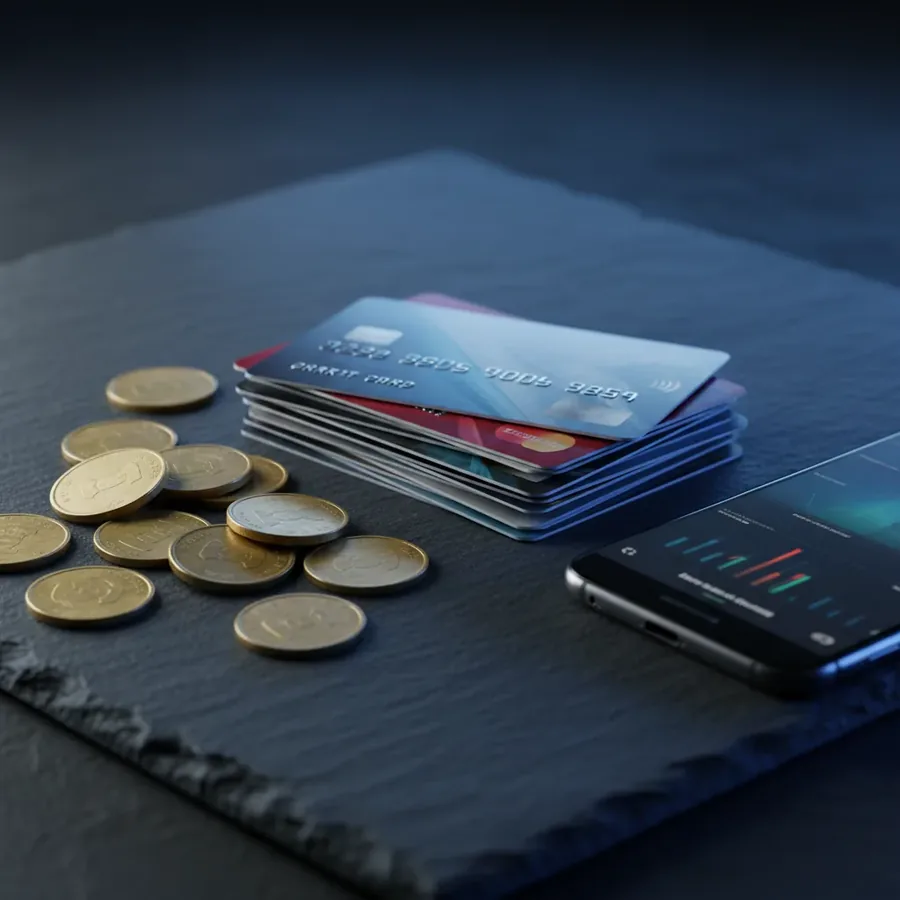
Reload Bonus 50 Percent Only From Second Deposit
The welcome promotion offers 300 percent on the first deposit up to 2,000 EUR plus 100 free spins. Subsequent reloads drop drastically to a flat 50 percent rate without additional free spin allocations. This reduction lowers the effective bankroll boost for returning players significantly. The tiered structure favors new acquisition over retention loyalty.
A 100 EUR second deposit yields only 50 EUR in bonus credits under the reload terms. In contrast, the same amount deposited initially would generate 300 EUR in bonus funds. This disparity reduces the total wagering potential by 75 percent for repeat actions. The value proposition diminishes rapidly after the opening transaction.
Minimum deposits remain consistent at 10 EUR across most methods, including Visa and Mastercard. However, the low yield on reloads makes smaller stakes less attractive for extended play. Players seeking higher leverage must rely on the initial welcome package entirely. The structure incentivizes single large deposits rather than recurring small ones.
Which Limits Apply Per Method and Period
Dogecoin (DOGE) allows deposits between 20 EUR and 10,000 EUR with no platform fees. Network fees apply exclusively to blockchain transactions, separate from casino charges. This wide range supports substantial bonus capitalization compared to prepaid alternatives. Crypto users benefit from higher ceilings than cardholders.
Visa and Mastercard transactions are restricted to a maximum of 5,000 EUR per limit cycle. This cap is half the allowance provided by e-wallets like Neteller or MiFinity. Card users depositing larger sums must divide payments across multiple operations. The restriction impacts the speed of meeting turnover requirements.
Bank transfers require a minimum of 20 EUR and take 1-3 business days for processing. While fees are absent, banking charges may apply externally during transfer windows. This delay contrasts with instant options like CashtoCode or Paysafecard. Slow funding can interrupt the momentum required for active bonus play.
Bonus active: withdrawal after x35 turnover
The welcome bonus requires a 35x wagering turnover on the combined deposit and bonus amount. For a maximum 2,000 EUR bonus with a 2,000 EUR deposit, total playthrough reaches 140,000 EUR. This figure demands extensive gameplay before any cash conversion becomes permissible. High volume play is mandatory for full realization.
Free spins winnings typically carry separate wagering conditions distinct from the main bonus pool. Each spin contributes partially to the overall turnover target depending on game contribution rates. Slots usually count fully while table games may contribute less toward the 35x requirement. Game selection directly influences the speed of clearance.
Unmet turnover obligations result in immediate forfeiture of both bonus funds and associated winnings. The casino voids accounts attempting to withdraw before clearing the full 140,000 EUR threshold. This strict enforcement eliminates partial cashouts for incomplete tasks. Players must monitor progress closely to avoid accidental breaches.
Request withdrawal on mobile: 4 steps in account
Players initiate the cashout process by navigating to the cashier section on their mobile device. The first step involves selecting a supported withdrawal method such as Dogecoin or Neteller. Prepaid cards like Neosurf cannot be chosen due to their deposit-only nature. Method selection dictates subsequent processing timelines.
The second phase requires entering the desired payout amount within the established daily limits. Limits vary by method, ranging from 10 EUR for e-wallets to 20 EUR for cryptocurrencies. Users must ensure the request falls within these bounds to avoid rejection errors. Validating amounts prevents procedural delays during submission.
Identity verification via KYC is mandatory before any funds leave the platform. Users must upload an ID and address proof younger than three months for approval. Processing takes 24-48 hours before the withdrawal queue activates. Failure to complete this step halts all payout requests indefinitely.
Final confirmation triggers the transfer based on the selected method's speed profile. E-wallets like Neteller release funds within 0-24 hours, while crypto takes up to 24 hours. Bank transfers require 3-5 business days for external processing completion. Patience is required as internal checks precede external transfers.
Payment methods, limits and fees
| Method | Type | Deposit | Withdrawal | Min. Deposit | Limit | Fees |
|---|---|---|---|---|---|---|
| Visa / Mastercard | card | Instant | 1-3 Business Days (Visa) | 10 EUR | 10 - 5.000 EUR | None |
| MiFinity | e-wallet | Instant | 0-24 Hours | 10 EUR | 10 - 10.000 EUR | None |
| Neteller | e-wallet | Instant | 0-24 Hours | 10 EUR | 10 - 10.000 EUR | None |
| Binance Pay | crypto | Instant | 0-2 Hours | 20 EUR | 20 - 10.000 EUR | None |
| Dogecoin (DOGE) | crypto | 5-30 Minutes | 0-24 Hours | 20 EUR | 20 - 10.000 EUR | None (Network Fee Only) |
| CashLib | prepaid | Instant | Not Available | 10 EUR | 10 - 1.000 EUR | None |
| CashtoCode eVoucher | prepaid | Instant | Not Available | 10 EUR | 10 - 1.000 EUR | None |
| Neosurf | prepaid | Instant | Not Available | 10 EUR | 10 - 1.000 EUR | None |
| Paysafecard | prepaid | Instant | Not Available | 10 EUR | 10 - 1.000 EUR | None |
| Banküberweisung | bank | 1-3 Business Days | 3-5 Business Days | 20 EUR | 20 - 10.000 EUR | None (Bank Fees Possible) |
Binance Pay: Process in a Few Steps
The Binance Pay transaction initiates with an instant deposit requirement, allowing players to fund their accounts immediately upon selecting this specific cryptocurrency method from the available options. This speed contrasts sharply with the 5-30 Minutes processing time required for Litecoin deposits, which introduces a noticeable delay during the initial funding phase compared to the near-instant nature of the chosen payment route. Consequently, users benefit from immediate access to game libraries without waiting for blockchain confirmations that typically hinder other digital asset transfers during peak network congestion periods. The absence of additional fees ensures that the full deposited amount reaches the casino balance, preserving the total capital available for wagering activities within the platform.
A minimum threshold of 20 EUR must be met for every Binance Pay transaction, establishing a higher entry point than the 10 EUR limit applicable to prepaid cards like Paysafecard or Neosurf. This elevated baseline filters out micro-transactions, ensuring that only substantial deposits proceed through the system, which streamlines processing for both the operator and the user by reducing administrative overhead associated with smaller sums. Players should verify their wallet balance covers this minimum before initiating the transfer to avoid rejected transactions that could disrupt their gaming session or require re-attempting the payment process later. The 20 - 10.000 EUR limit provides ample flexibility for high rollers while maintaining security protocols against excessive single-transaction volumes.
Processing completes instantly for Binance Pay deposits, contrasting with the 0-2 Hours withdrawal window for the same method, which remains significantly faster than the 0-24 Hours standard applied to USDT (TRC-20) withdrawals. This rapid turnaround allows players to access winnings sooner than those using traditional bank methods, where payouts may take up to 5 Business Days to clear internal verification checks. The distinction between deposit and withdrawal speeds highlights the operational efficiency of the crypto infrastructure, enabling quicker fund rotation for active players who prioritize liquidity over static storage. Users planning large cashouts should account for this slight delay when managing their overall bankroll strategy across different gaming sessions.
How Long Does the First Payout Take
The first payout requires completion of KYC verification, which involves submitting an ID and proof of address not older than 3 Months before any withdrawal request can be processed by the casino administration. This mandatory step adds a 24-48 Hours delay to the initial cashout timeline, distinguishing it from subsequent withdrawals where identity documents have already been validated and stored securely in the player profile system. Without this documentation, all withdrawal requests remain pending indefinitely, regardless of the selected payment method's inherent speed or the player's account balance status at the time of submission. The strict adherence to this rule ensures regulatory compliance while protecting both the operator and the user from fraudulent activity or unauthorized access attempts during sensitive financial transactions.
Once verified, the fastest first payout occurs via Binance Pay, which processes withdrawals within 0-2 Hours, offering a significant advantage over the 0-24 Hours window required for Bitcoin (BTC) or USDT (TRC-20) transactions. This two-hour window represents the lower bound of processing times, excluding the 1-3 Business Days needed for Visa/Mastercard refunds, which extend the wait considerably due to traditional banking network delays. Players choosing cryptocurrency methods can expect substantially quicker access to funds compared to those relying on e-wallets like Neteller or MiFinity, which operate on a 0-24 Hours schedule without the accelerated priority given to major blockchain networks.
The maximum withdrawal limit of 10.000 EUR applies to most crypto and e-wallet methods, setting a ceiling higher than the 5.000 EUR cap enforced for Visa/Mastercard transactions, which restricts large-scale cashouts through card networks. This disparity encourages players to utilize alternative payment channels for larger wins, as exceeding the card limit would necessitate splitting the payout into multiple smaller transactions or switching methods entirely. Understanding these limits is crucial for planning withdrawals, especially when dealing with substantial jackpots that might exceed standard thresholds for certain payment providers, ensuring smooth and uninterrupted access to winnings.
Bank transfers present the longest delay for first payouts, requiring 3-5 Business Days for clearance after approval, which stands in stark contrast to the instant nature of prepaid deposits like CashtoCode eVoucher that cannot withdraw funds. This five-day maximum duration includes weekends and holidays, potentially extending the wait time significantly for players initiating requests on Fridays or before public holidays, unlike crypto methods that operate continuously. The structural difference between traditional banking hours and 24/7 digital asset networks creates a predictable but lengthy timeline for fiat currency withdrawals, influencing player preference toward faster alternatives when immediate liquidity is desired.
Casino Fees vs. Bank Fees
CashLib deposits incur no fees from the casino side, aligning with the None charge policy applied to all listed payment methods, yet players must consider potential external costs associated with purchasing the voucher itself. This zero-fee structure contrasts with Banküberweisung, where bank fees are possible despite the casino charging None, highlighting a divergence in cost responsibility between the platform and third-party financial institutions. Users opting for bank transfers should anticipate variable charges that depend on their individual banking agreements, whereas prepaid card users face fixed purchase prices determined by retail vendors rather than transactional surcharges from the casino operator.
USDT (TRC-20) transactions carry a low network fee, which differs from the strictly None fee category assigned to most other methods, introducing a small variable cost dependent on blockchain congestion levels at the time of transfer. This minor expense contrasts with the complete absence of fees for Neosurf or Paysafecard, where the entire transaction value passes through without deduction, making them more economical for precise budget management among cost-sensitive players. The distinction underscores the hidden costs inherent in cryptocurrency usage, where gas fees can fluctuate based on network demand, unlike static prepaid vouchers that offer predictable, fee-free entry points for casual gamblers seeking simplicity.
Visa/Mastercard transactions involve no direct casino fees, mirroring the policy for e-wallets like Neteller and MiFinity, but may trigger interchange fees from issuing banks that are invisible to the player until statement review. This indirect cost structure differs from Litecoin (LTC), which explicitly lists a network fee only, providing transparency about the exact charge incurred during the transaction process compared to the opaque banking fees often buried in general account statements. Understanding these distinctions helps players calculate their true cost of play, factoring in both visible and invisible charges that affect the net value of their deposits and potential returns over time.
Detect double charge and report correctly
A double charge typically manifests when a deposit attempt fails after partial processing, resulting in two deductions from the player’s bank account or crypto wallet despite only one successful credit to the casino balance. This error often affects Banküberweisung transactions lasting 1-3 Business Days, where delayed confirmation can trigger duplicate payment requests if the user retries without verifying the initial status, creating confusion between pending and completed states. Players must check their transaction history carefully, noting that CashLib and Neosurf deposits are instant and thus less prone to such timing-related errors, reducing the likelihood of accidental duplicates during high-speed funding phases.
Reporting requires documenting the exact timestamp of both charges, the transaction IDs provided by the payment provider, and screenshots of the failed deposit notification alongside the successful credit record showing the 10 EUR minimum deposit was applied once. This evidence package distinguishes legitimate errors from voluntary multiple deposits, ensuring support teams can accurately trace the issue through the payment gateway logs without ambiguity or misinterpretation of the sequence of events leading to the discrepancy. Clear documentation accelerates resolution, preventing prolonged disputes that could otherwise tie up funds or delay access to gaming features while the investigation proceeds through standard fraud prevention channels.
Resolution usually involves crediting the duplicate amount back to the original payment method, though the timeframe depends on the issuer; Visa/Mastercard refunds take 1-3 Business Days, whereas crypto wallets reflect credits almost instantly. This variance highlights the importance of choosing payment methods with faster refund capabilities when frequent technical issues arise, as waiting days for a reversal impacts liquidity differently than immediate blockchain adjustments. Players should retain all correspondence until the credit appears, monitoring their accounts closely to ensure the correction matches the original charge amount precisely, avoiding discrepancies that could complicate future audits or tax reporting requirements.
Dogecoin (DOGE) transactions, similar to Litecoin, carry a network fee only, meaning any double charge would likely stem from user error rather than system malfunction, given the deterministic nature of blockchain confirmations. Unlike traditional banking systems where reconciliation takes time, crypto ledgers provide immutable records, making duplicate charges rare unless the user manually initiates the same transaction twice before the first block confirmation. This characteristic reduces the frequency of such errors compared to fiat methods, offering a more transparent and auditable trail for both players and operators to verify the legitimacy of each recorded movement of funds.
Payment cancelled: money back to account
When a payment is cancelled, the refunded amount returns to the source account, with the timing varying significantly depending on the method used; Binance Pay refunds occur within 0-2 Hours, matching its withdrawal speed for immediate liquidity restoration. This rapid return contrasts with Visa/Mastercard cancellations, which require 1-3 Business Days for the credit to appear on the statement, delaying access to the funds compared to digital asset reversals that settle nearly instantaneously on the blockchain. Players relying on fast-paced gaming sessions should prefer methods with shorter refund windows to minimize downtime between cancellation and re-deposit, ensuring uninterrupted participation in live games or tournaments without financial interruption.
Prepaid cards like Paysafecard and CashtoCode eVoucher do not allow refunds to the card itself, meaning cancelled payments result in lost value unless the merchant offers alternative compensation, unlike e-wallets like MiFinity that reverse funds directly to the linked account. This irreversibility distinguishes prepaid vouchers from rechargeable methods, imposing a higher risk on users who accidentally cancel valid transactions, as the 10 EUR minimum deposit becomes permanently inaccessible rather than returning to a usable balance. Understanding this limitation is crucial when selecting payment tools, as the inability to recover funds from prepaid sources demands greater caution during the checkout process to avoid irreversible losses due to user error.
Bitcoin (BTC) cancellations involve reversing the blockchain transaction, which takes 0-24 Hours to confirm, placing it in the middle tier of refund speeds between instant crypto methods and slow bank transfers. This period reflects the time needed for network consensus to validate the reversal, differing from the fixed 3-5 Business Days required for Banküberweisung, which relies on manual processing by financial institutions rather than automated ledger updates. The variability in refund times across methods underscores the need for players to align their payment choices with their urgency for fund recovery, balancing convenience against the speed of access to returned capital after a cancellation event.
50 EUR budget: which method fits
Binance Pay requires a minimum deposit of 20 EUR, allowing a player with a 50 EUR budget to fund the account instantly without incurring any fees. This method supports limits up to 10,000 EUR, ensuring that the entire budget remains available for immediate gameplay without restriction or delay. The absence of charges preserves the full capital, making it an efficient choice for small deposits compared to methods with higher thresholds.
Visa and Mastercard cards accept a lower entry point of 10 EUR, leaving 40 EUR remaining from the initial 50 EUR budget after the first transaction. These card payments are processed instantly, granting immediate access to games while keeping the remaining balance intact for future wagers on the platform. The zero fee structure ensures that no portion of the deposited amount is lost to processing costs during the initial funding stage.
Bitcoin transactions demand a starting limit of 20 EUR, which aligns well with the available 50 EUR funds while requiring only network fees rather than platform charges. The deposit time ranges from 10 to 60 minutes, meaning players must wait briefly before the credited amount becomes usable for betting activities. This crypto option offers a secure alternative to traditional banking, provided the user accounts for the potential waiting period involved.
Minimum Deposit 10 EUR for 20 EUR
Neteller enables a minimum deposit of just 10 EUR, effectively doubling the available funds to 20 EUR immediately upon successful transaction completion without charging any fees. This e-wallet processes deposits instantly, allowing players to start wagering right away while maintaining the flexibility to use the same method for withdrawals later. The low threshold makes it accessible for users wishing to test the platform with minimal financial commitment initially.
Prepaid vouchers like Paysafecard also require only 10 EUR to initiate an account, providing instant credit that matches the desired 20 EUR target when combined with other sources. These cash-lib options do not allow withdrawals, restricting the flow of funds to one-way deposits only until alternative payment methods are linked. Players must therefore plan their withdrawal strategy carefully, as these specific prepaid instruments cannot be used to receive winnings back.
CashtoCode eVoucher operates under the same 10 EUR minimum rule, facilitating rapid account funding that meets the 20 EUR requirement through instant digital code redemption. Since this method excludes withdrawal capabilities entirely, users must ensure they have a compatible payout method ready before requesting any bonus conversions or profit transfers. The instant nature of the deposit contrasts sharply with the inability to retrieve funds directly through this specific voucher channel.
KYC in 24 to 48 hours before withdrawal
The Know Your Customer verification process demands valid identification and proof of address not older than three months before any withdrawal request can be processed successfully. This mandatory check typically takes between 24 to 48 hours to complete, creating a significant delay that impacts the immediacy of receiving funds into bank accounts. Players must submit these documents proactively to avoid holding periods that extend beyond standard processing times for approved transactions.
USDT (TRC-20) withdrawals usually take up to 24 hours, but this duration extends significantly if the account has not yet passed the required KYC identity verification stage. The platform enforces this strict compliance measure to prevent fraud, meaning even instant-deposit methods face delays during the payout phase until documentation is approved. Users should anticipate waiting at least two working days for verification, which overrides the typical speed advantages offered by cryptocurrency networks.
Bank transfers generally require three to five business days for payouts, a timeframe that becomes irrelevant if the necessary KYC checks remain incomplete within the 48-hour window. The verification requirement acts as a hard gatekeeper, ensuring that no funds leave the platform until the identity of the recipient is fully established and validated. This procedural step protects both the operator and the player, albeit at the cost of reducing the overall speed of accessing won balances.
Payout to Same Method: Rule and Exceptions
Bitcoin withdrawals are restricted to the original deposit method, requiring players to send winnings back to the same wallet address used for the initial 20 EUR funding. This rule applies strictly to crypto assets, preventing the transfer of Bitcoin profits to external bank accounts or different cryptocurrency wallets without prior approval. The limitation ensures regulatory compliance while maintaining the security integrity of the blockchain-based transaction path established during the deposit phase.
Visa and Mastercard payments follow the same return policy, where winnings must be sent back to the original card ending in the same digits as the deposit source. This restriction prevents money laundering by ensuring that funds do not circulate through unrelated financial instruments, thereby linking the withdrawal directly to the verified payment instrument. Players using these cards should expect the 1-3 business day processing time for refunds, adhering to the standard banking cycle.
E-wallets like MiFinity offer more flexibility, allowing withdrawals to the same account within 24 hours, though they still prefer returning funds to the originating source. This approach streamlines the process for users who primarily use electronic wallets, reducing friction compared to traditional banking methods that enforce stricter same-method rules. The exception lies in cases where the original method is unavailable, potentially allowing alternative routes subject to additional verification steps.
Which methods do not allow withdrawal
Neosurf prepaid vouchers strictly prohibit any form of withdrawal, limiting their utility solely to instant deposits of up to 1,000 EUR per transaction. Players funding their accounts with this method must select an alternative payout option, such as a bank transfer or e-wallet, to access their winnings legally. The structural design of Neosurf focuses on anonymity and one-way spending, making it unsuitable for those seeking direct cashback capabilities.
CashLib operates under identical restrictions, accepting instant deposits between 10 and 1,000 EUR while explicitly blocking any outgoing transactions to the same voucher code. This limitation forces users to maintain a separate withdrawal method, ensuring that funds generated from gameplay can be transferred via supported channels like PayPal or Skrill. The inability to withdraw creates a dependency on dual-method setups for comprehensive account management and profit realization.
Dogecoin allows deposits and withdrawals, but prepaid instruments like Paysafecard remain excluded from payout options despite supporting instant top-ups of up to 1,000 EUR. This exclusion highlights the distinction between anonymous funding mechanisms and traceable financial instruments required for compliant anti-money laundering regulations. Users must always verify their chosen withdrawal method separately, as relying solely on prepaid cards will result in failed payout attempts regardless of balance size.
Contact
Live - online chat
Banking









Providers












Arlekin Casino 2026